Buyer Beware: How to Verify Shipping Container Dealers in Nairobi
The demand for shipping containers in Nairobi has skyrocketed, driven by their use in everything from trendy retail stalls and modern office extensions to innovative container homes. Unfortunately, this booming market has also attracted highly sophisticated online fraudsters and phantom dealers. These scammers set up polished websites and digital advertisements, collect deposits, and vanish entirely.
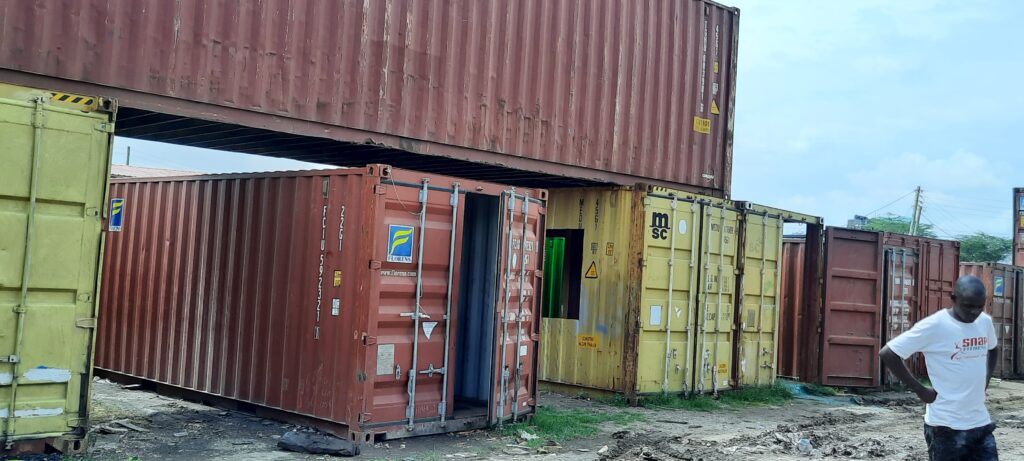
If you want to protect your hard-earned money, you must approach your purchase with absolute diligence. Here is the ultimate verification guide to ensuring your container dealer in Nairobi is legitimate, legally sound, and entirely authentic.
1. Conduct a Strict Review of Their Digital Authority
A glossy webpage does not guarantee a real company. Before engaging a dealer, investigate their digital footprint using third-party verification tools:
- Run a WHOIS Domain Check: Visit a domain lookup tool like whois.com and type in the dealer’s website address. If the website was registered within the last few months, treat them with heavy suspicion. Scammers constantly burn old sites and launch new ones.
- Look for Independent Reviews: Do not trust the testimonials published directly on a dealer’s site, these are easily fabricated. Check independent platforms like Google Reviews and Google Maps. Look out for landline phone numbers rather than just mobile tracking numbers, which indicates a fixed corporate setup.
- Audit Social Media Consistency: Genuine fabricators post regular, authentic updates of their ongoing structural work across multiple platforms (such as Facebook, Instagram, and YouTube, among others). A scammer’s social media activity is usually highly irregular, patchy, or recently created.
2. Demand a Physical Yard Visit
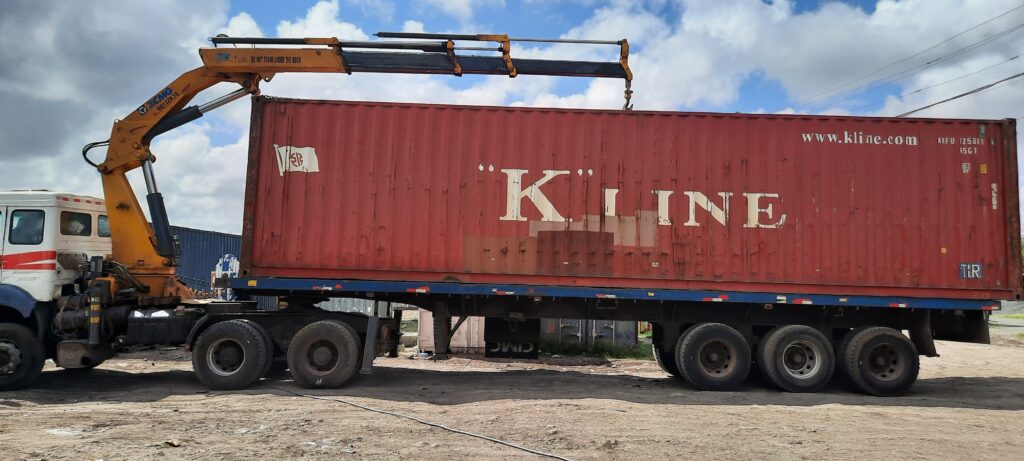
This is your ultimate shield against fraud. Never buy a shipping container sight unseen.
- The Address Test: Fraudsters are notoriously dodgy about revealing their actual physical yard location, or they will pressure you with limited-time offers to force a quick wire transfer.
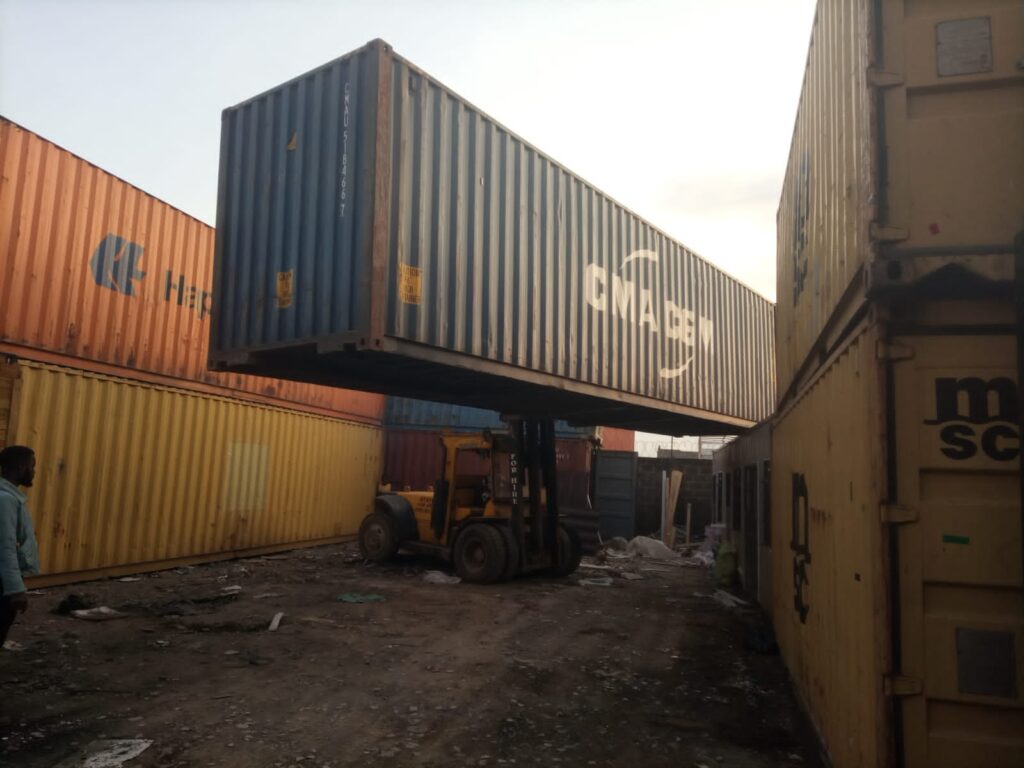
- The Inspection Visit: A legitimate Nairobi dealer will openly welcome you to their yard. Step onto the property, view the units firsthand, and cross-examine the workers. If a seller makes excuses about why you can’t visit the yard, break off contact immediately.
3. Verify Corporate and Tax Documentation
A genuine business operates with formal legal backing in Kenya. Before drafting any contracts, request copies of the company’s official operating credentials:
- Company Registration & CR12: Proves the business is legally recognized by the Registrar of Companies and reveals the true identities of the directors.
- KRA PIN & Tax Compliance Certificate: Confirms the company is registered with the Kenya Revenue Authority and actively pays its taxes.
- Valid Unified Business Permit: Issued by the Nairobi City County government to authorize commercial trade within the county.
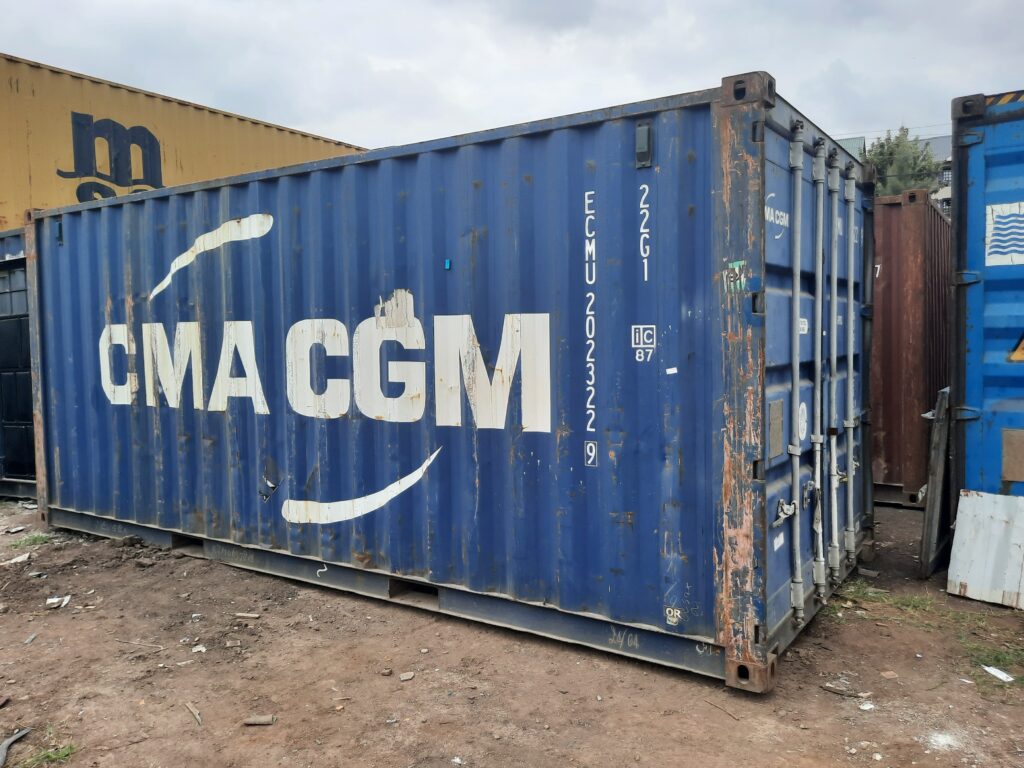
4. Match the Container Serial Numbers
Scammers design their pricing and payment collection methods to exploit buyers looking for a bargain. Pay attention to these payment warning signs:
- Suspiciously Low Prices: Genuine dealers operate within competitive local market rates. If a dealer quotes a price that is hundreds of thousands of shillings below the market standard, it is almost certainly a scam to bait quick cash.
- Unconventional Payment Methods: Never pay via personal mobile money (M-Pesa) numbers or carry massive amounts of loose cash. Legitimate container providers will strictly request payments via corporate bank accounts, RTGS, or corporate checks matching the company name on the proforma invoice.
Why Platinum Containers?
At Platinum Containers, we believe in absolute marketplace transparency. Our physical operations, fully registered corporate structures, verified KRA compliance, and open-door yard policy give our clients total security. When you purchase from us, you aren’t just buying steel, you are securing a fully verified asset.