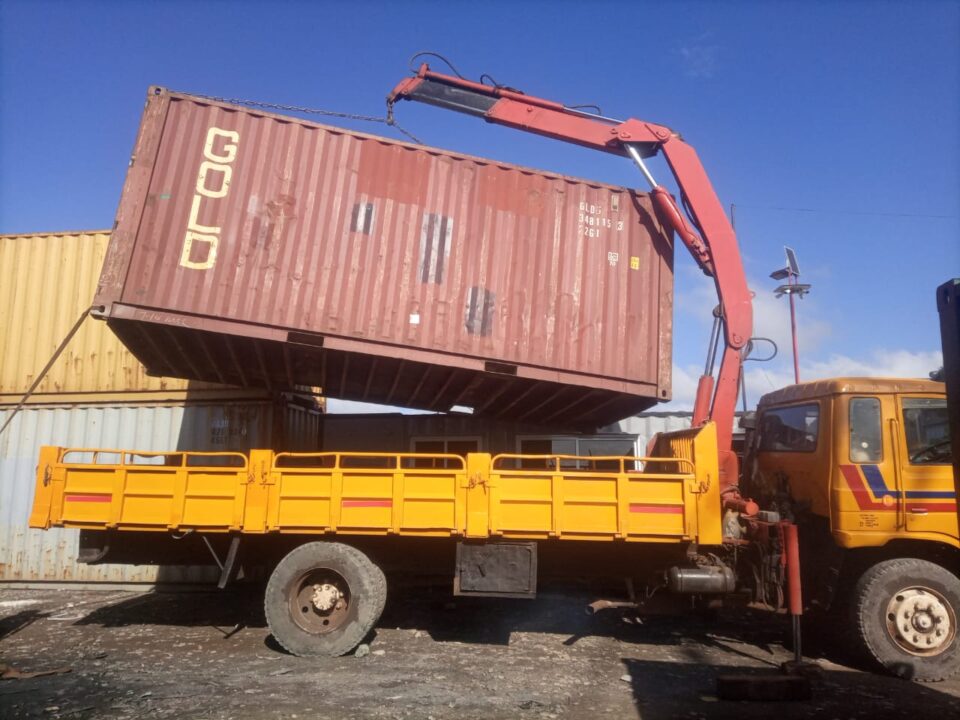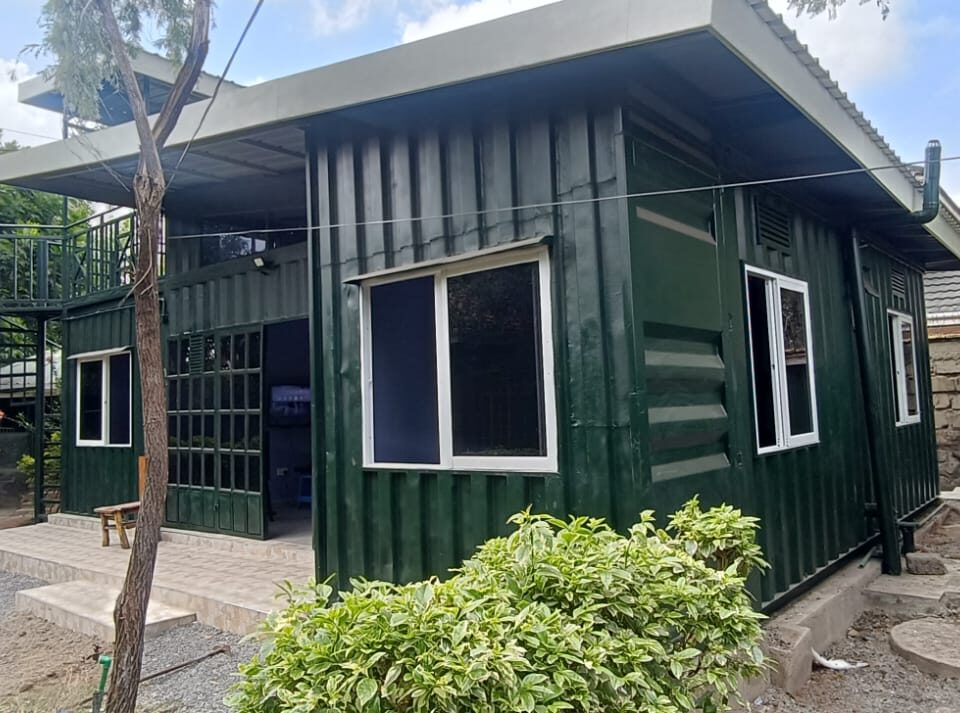
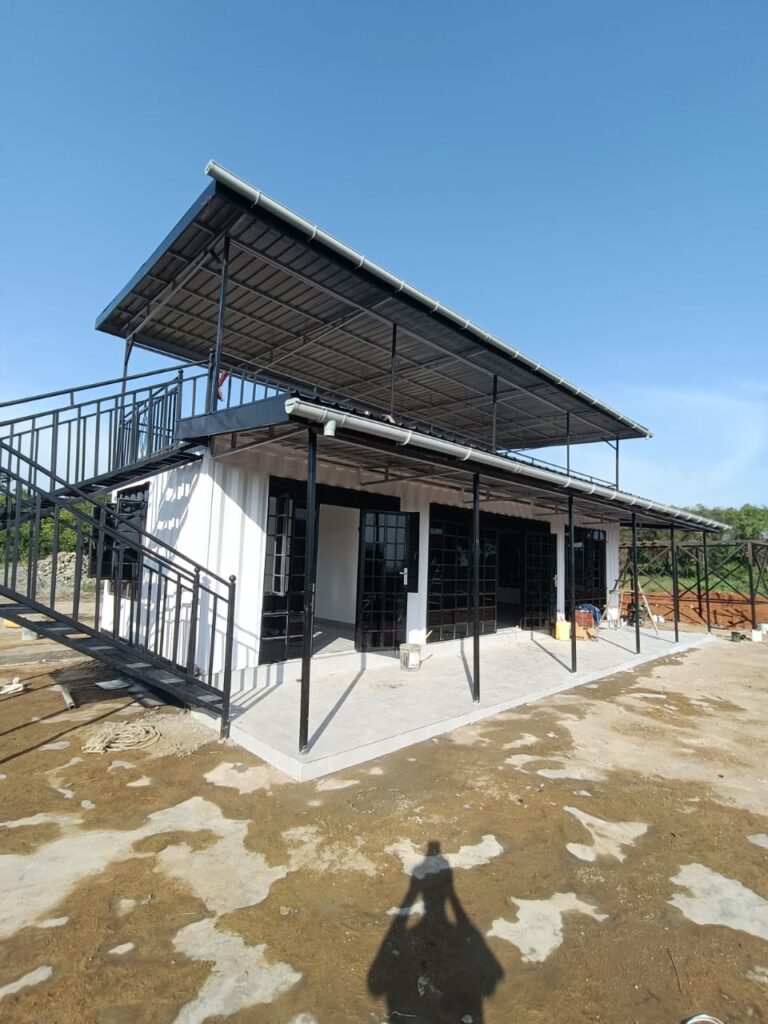
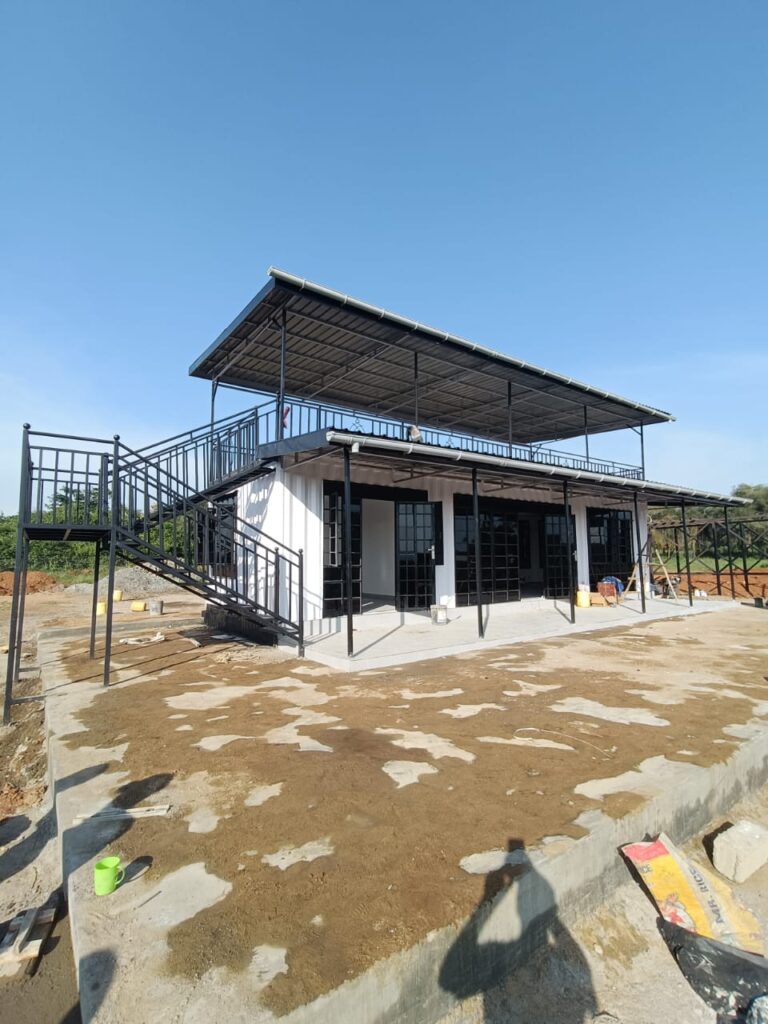
Think container homes are exempt from local construction rules just because they are modular? Think again!
Even though shipping container houses are rapidly fabricated and incredibly adaptable, they are legally classified as permanent or semi-permanent structures under Kenyan law. This means that dropping a container on your private land without the correct documentation is a major legal risk. To shield your investment from heavy local authority fines, strict construction halts, or painful demolition orders, you must follow the correct legal framework.
Here is your definitive guide to ensuring your container home project remains 100% legal, safe, and fully compliant in Kenya.
1. Land Ownership & Zoning Approvals: Can You Build Here?
Before purchasing your container shells, your first legal obligation is to verify land compliance.
- Land Ownership Verification: You must hold a valid Title Deed or a legally binding, officially notarized lease agreement.
- Zoning Laws: Local zoning regulations dictate what types of structures can be built in specific zones (for instance residential, commercial, agricultural). Crucially, certain controlled-development residential estates in Kenya enforce strict aesthetic bylaws that explicitly ban visible metal or prefabricated homes. Always consult your local county physical planning department to verify that your land’s zoning allows for container conversions.
2. Professional Architectural and Structural Specifications
Kenyan county governments require formal, professional building plans before issuing approvals. Your application must be backed by certified experts:
- Architectural Drawings: Must be prepared and endorsed by an architect registered with the Board of Registration of Architects and Quantity Surveyors (BORAQS). These plans must demonstrate structural habitability, ensuring adequate natural light, ventilation, and minimum ceiling headroom clearances.
- Structural Engineering Reports: Because modifying a container involves cutting through steel walls, the structure’s original load-bearing capacity changes. An engineer registered with the Engineers Board of Kenya (EBK) must provide calculations proving the modifications are safe, especially if you are stacking containers for a multi-story home.
3. Securing County Government Building Permitting
Securing a building permit from your respective county planning department is completely mandatory. Whether you are building in Nairobi, Kiambu, Machakos, or Kajiado, or any other part of Kenya for that matter, you must submit your blueprints through the county’s official electronic development portal.
Building Permit Requirements
To apply for your container home building permit, you generally need to provide:
- Stamped Architectural and Structural Engineering drawings.
- A certified copy of the Land Title Deed alongside a recent official Land Search.
- A fully filled Physical Planning Application Form (PPA2).
- Public Health and waste management blueprints (sewer connection or approved biodigester design).
The “Temporary vs Permanent” Catch: Because container housing is highly adaptable, some local authorities may evaluate your project based on the foundation. If the container rests on removable concrete plinths without deep ground anchoring, certain counties might classify it under a temporary structure permit rather than a permanent occupancy permit. Always confirm how your specific county handles modular structures to prevent future land disputes.
4. National Construction Authority (NCA) Compliance
Once the county government approves your plans, your project must be registered with the National Construction Authority (NCA) before any work starts on site. Under Kenyan law, any construction project exceeding a minimal baseline budget requires formal NCA registration.
To secure your NCA compliance sticker, you must guarantee:
- An NCA-Registered Contractor: The fabrication team or site assembly crew executing your build must hold a valid, active practicing license from the NCA.
- Professional Supervision: A registered site supervisor (your architect or engineer) must sign off on safety and structural integrity checks during the installation phase.
5. Environmental and Utility Approvals
- NEMA Clearances: Depending on the scale and position of your project, you may need a clearance license from the National Environment Management Authority (NEMA). This is particularly critical if you are setting up your container home near fragile ecosystems, wetlands, or coastal maritime zones.
- Utility Connections: Legally, your plans must show safe, regulated access to clean water, a stable electricity hookup, and a safe grey/black water disposal system that complies with public health standards.
Your Legal Compliance Checklist
- Valid Land Title Deed backed by a clean, recent land search.
- Zoning verification from the local physical planning office.
- BORAQS-stamped architectural designs showing proper ventilation and head height.
- EBK-stamped structural engineering reports confirming modified load capacity.
- Approved County Government Construction Permit.
- NCA Project Registration and site safety clearance.
- NEMA Approval (if building near water bodies or protected natural land).
- Public Health-approved waste management layout (biodigester or septic tank plan).
Importance of Compliance
Building with the correct legal permits isn’t just about avoiding county fines, it’s about protecting your long-term wealth. Fully compliant, permitted container structures are significantly easier to secure comprehensive property insurance for, hold substantially higher resale values on the real estate market, and give you the legal peace of mind you deserve.
Why Partner with Platinum Container Fabricators?
Partnering with a trusted fabrication team like Platinum Containers ensures your structure is built to rigorous technical standards, making the professional architectural engineering review and county portal submission process smooth, transparent, and completely stress-free.