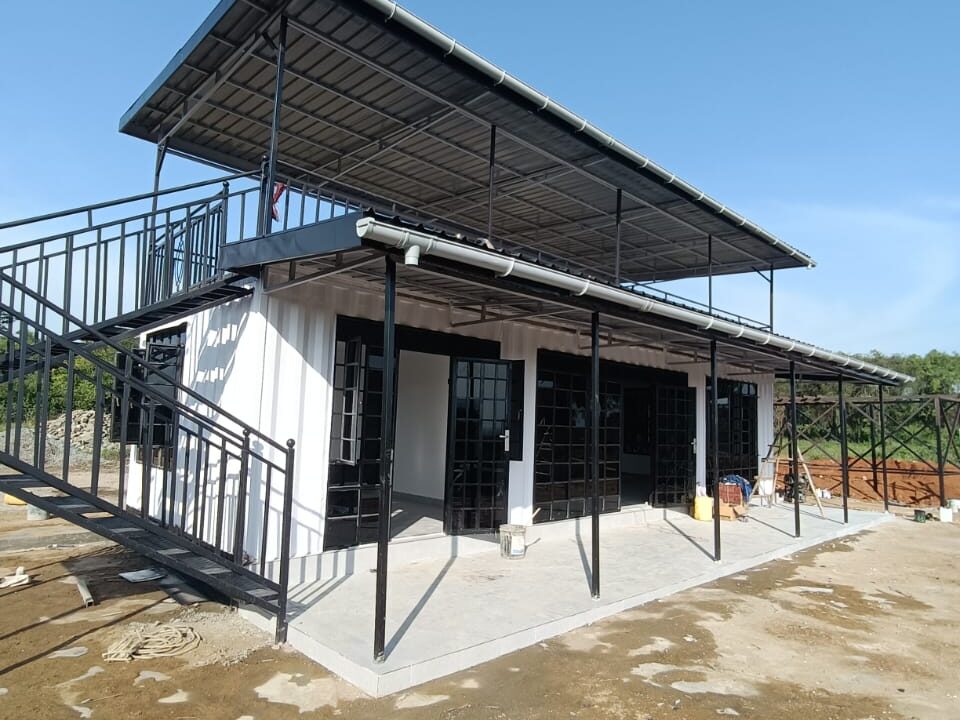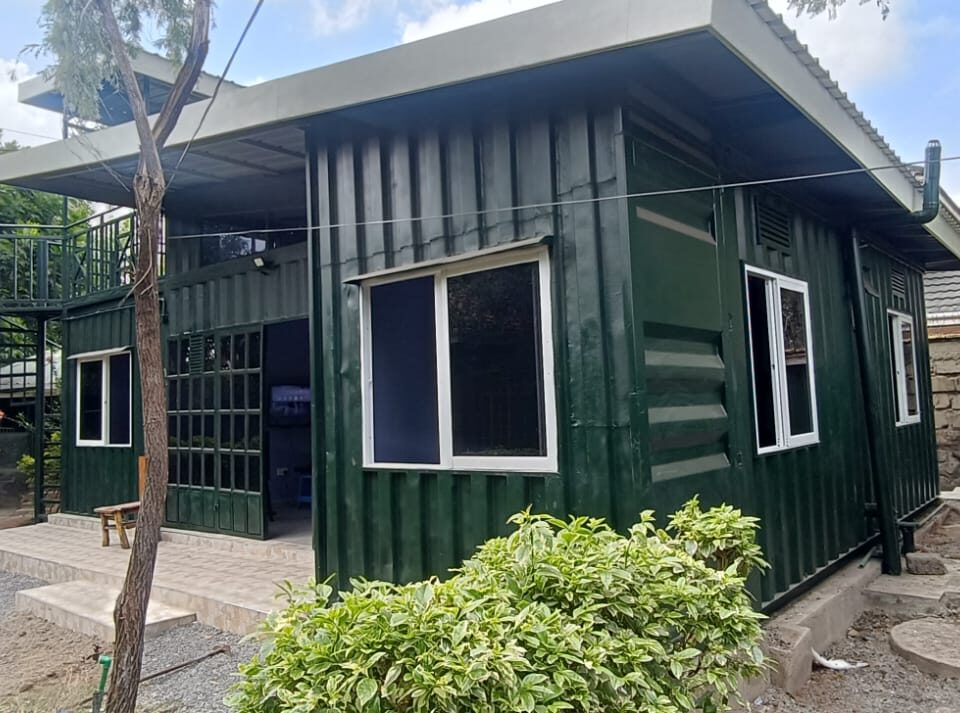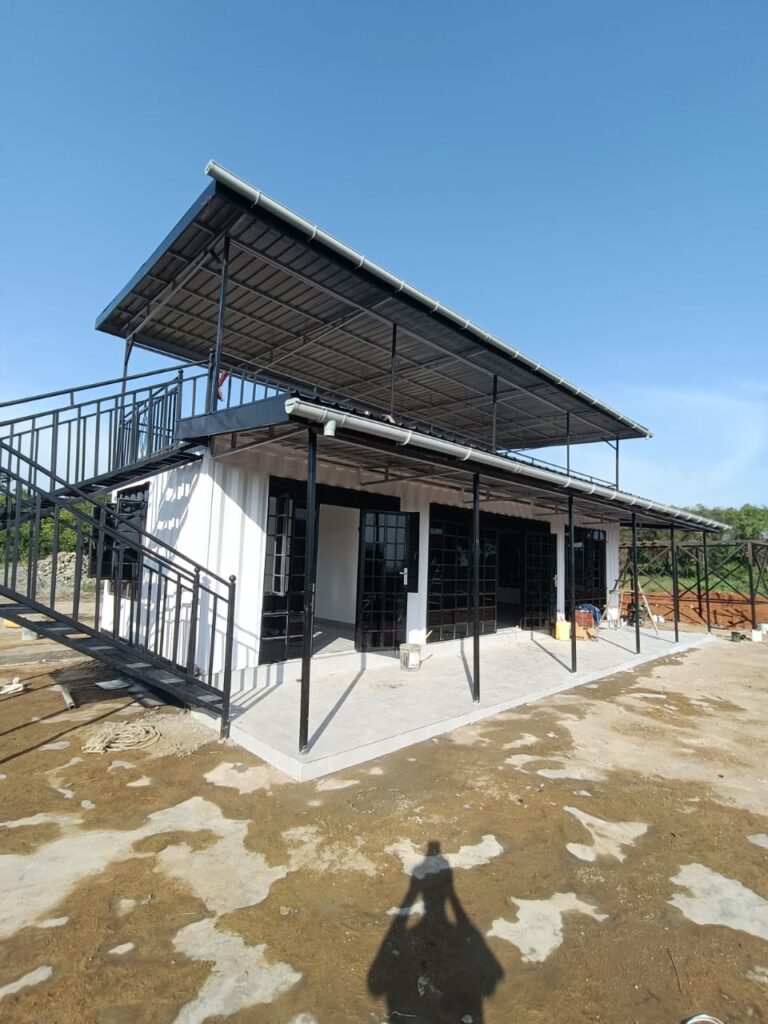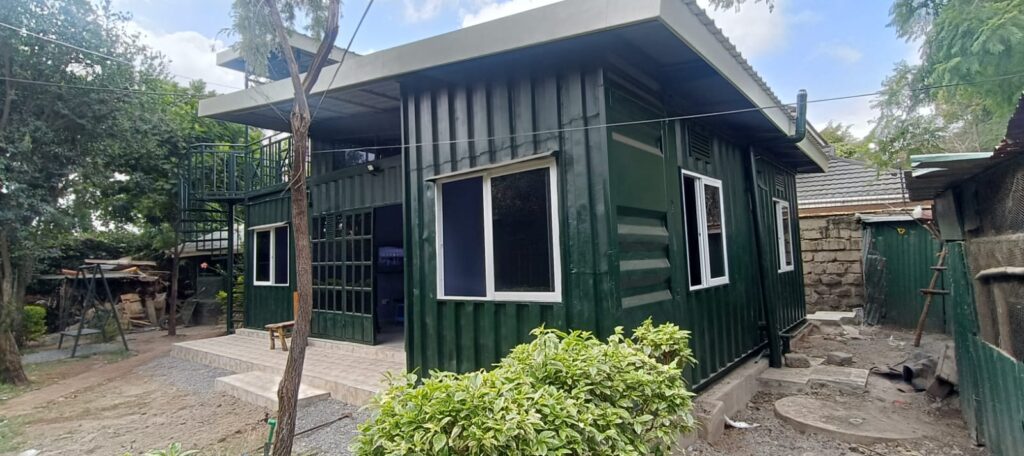

Purchasing a shipping container in Nairobi is one of the smartest and most flexible investments you can make for your business or property. From trendy container shops and stalls popping up across Nairobi County to sleek residential transformations, these steel structures offer unmatched durability and speed.
However, with the rapid rise in demand, navigating the market safely requires strict diligence. The market contains numerous fraudulent individuals and phantom companies pretending to sell cargo containers. To protect your hard-earned capital, you must approach the buying process with a structured plan.
Here is the definitive, step-by-step guide to safely and efficiently buying a shipping container in Nairobi.
Step 1: Partner with a Verified, Reputable Dealer
The foundational step of your purchasing journey is to separate legitimate, established fabrication yards from online middlemen and scammers.
- Analyze Their Digital Footprint: Credible companies view their websites as key instruments of trust and transparency. Check if the dealer maintains an active, updated website that displays true historical work, customer reviews, and unambiguous contact details.
- Demand a Physical Yard Visit: If an individual is elusive about their container yard location, wants to meet exclusively in a city center office, or gives endless stories about why the yard is “inaccessible,” back off immediately. Genuine dealers will openly welcome you to their physical fabrication facility.
Step 2: Conduct a Physical Inspection on the Yard
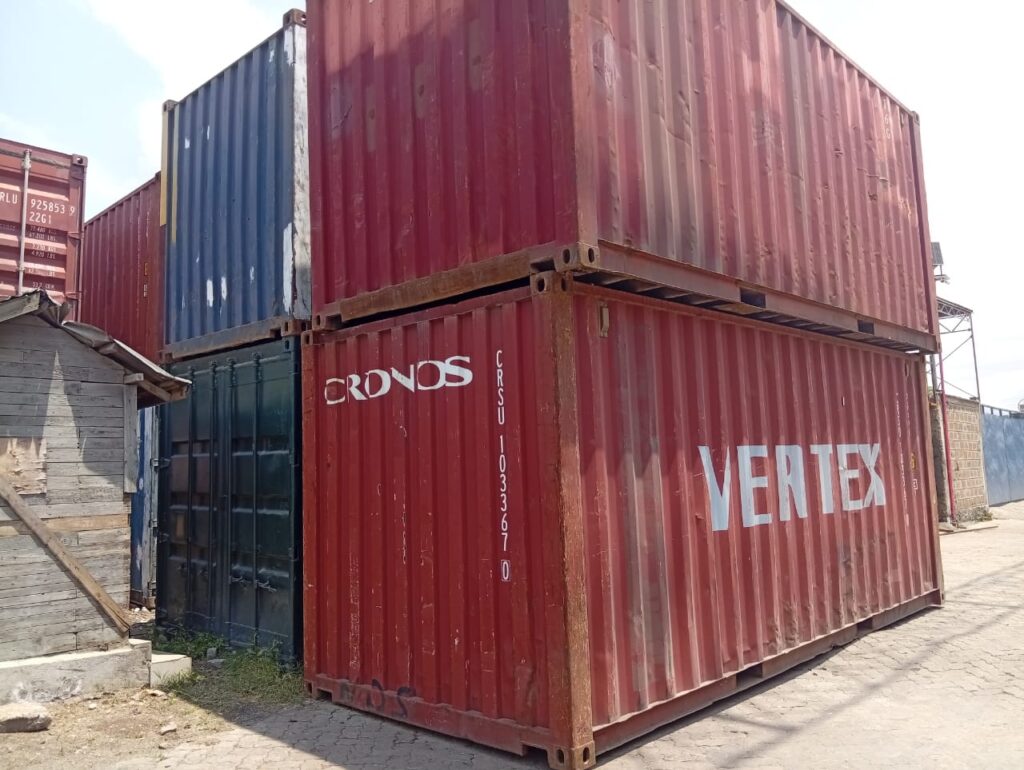
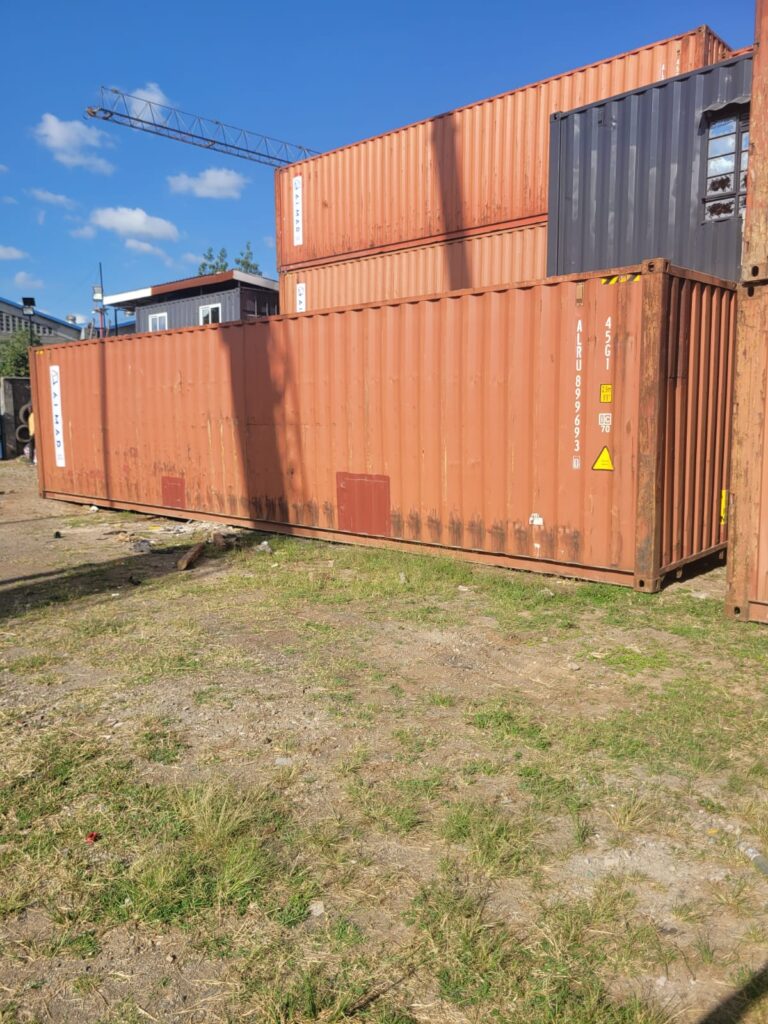
Never buy a shipping container blindly based on pictures sent via messaging apps. You must walk into the yard and physically inspect the exact unit you intend to buy. During your inspection, pay close attention to:
- Structural Integrity: Look out for extensive, deep-pitted rust, major structural warping, or severe dents along the corner castings and load-bearing pillars.
- The Door Seals: Test the locking rods and check the rubber gaskets around the doors. A warped door frame will compromise weatherproofing and cost a fortune to realign.
- The Light Test: Step completely inside the container, close the doors fully, and look up and around. If you see any pinpricks of light sneaking through the roof or side panels, the container has hidden holes and is no longer watertight.
Step 3: Verify the Container’s Legal Documentation
Like vehicles, cargo containers are tightly tracked international transport equipment. Legitimate dealers must possess the proper paperwork to prove the container was legally decommissioned and cleared through the port. Before sending any money, confirm the seller can provide:
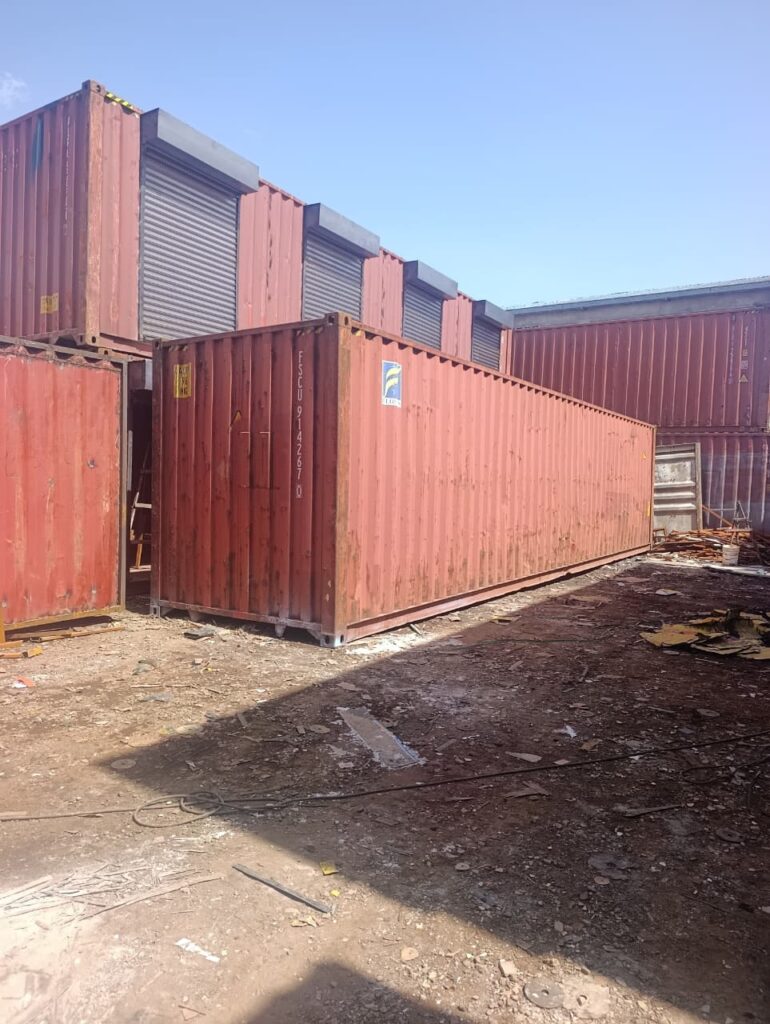
- The Container Logbook: A document tying the container’s unique, stamped serial number (the 4-letter and 7-number ISO code) directly to its history.
- A Formal Sale Agreement: A legal contract that formally transitions ownership rights from the supplier to you.
- An Official Proforma Invoice: Displaying the company’s registered tax details and corporate banking information.
Step 4: Execute Secure Corporate Payments
Scammers thrive on untraceable mobile money transfers or cash payments made under high-pressure “limited time” tactics. Real, authentic container dealers will firmly insist on formal corporate payment methods.
- Use Checked Bank Channels: Always pay via bank transfer (RTGS), corporate cheque, or direct cash deposits into the company’s registered business bank account.
- Secure Original Receipts: Ensure your bank payment slip matches the proforma invoice exactly. Upon verification, the seller will issue an original receipt confirming the complete transfer of funds.
Step 5: Plan Logistics, Transport, and Site Delivery
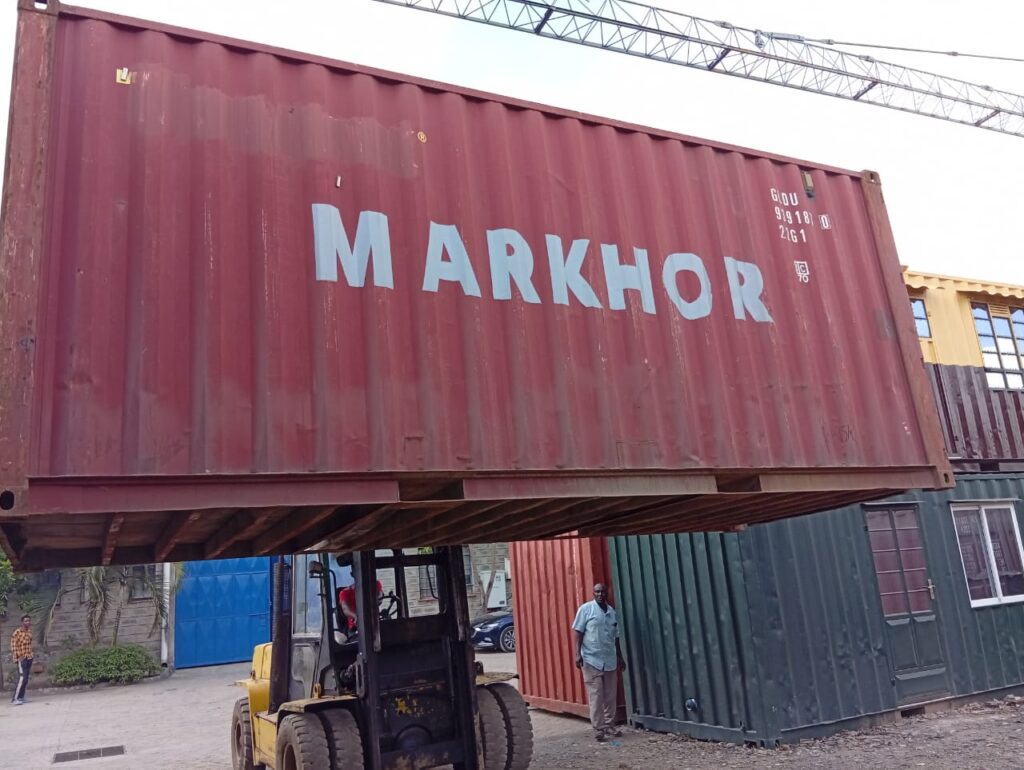
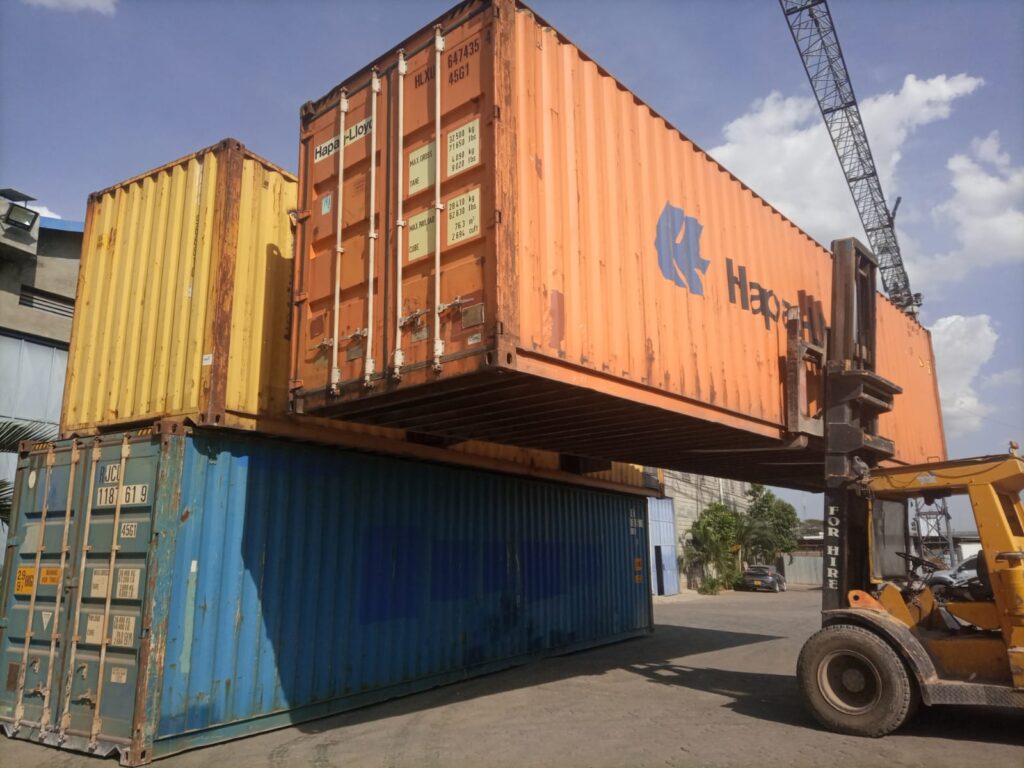
Once the container is legally yours, the final hurdle is safely moving it from the Nairobi yard to your plot. Containers are incredibly heavy loads that require specialized machinery.
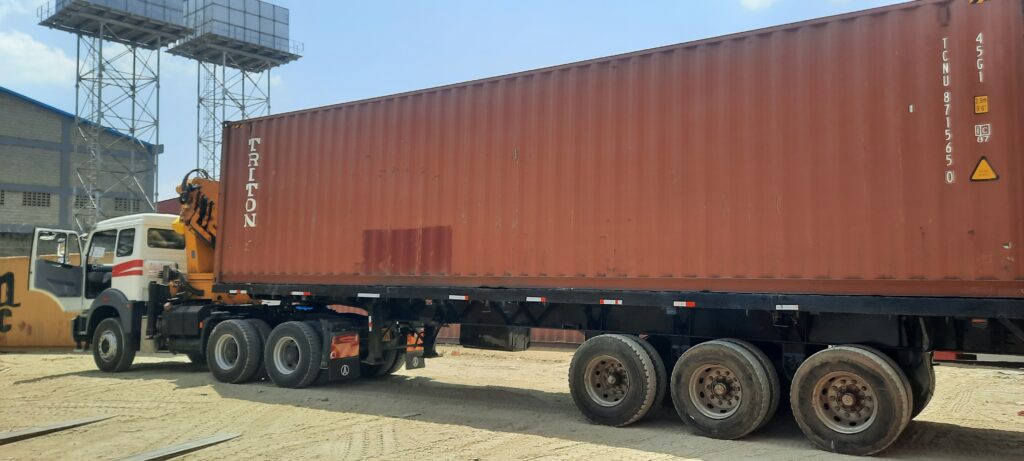
- Select the Right Truck: A standard 20-foot container requires a flatbed truck, while a 40-foot unit demands a heavy-duty semi-trailer.
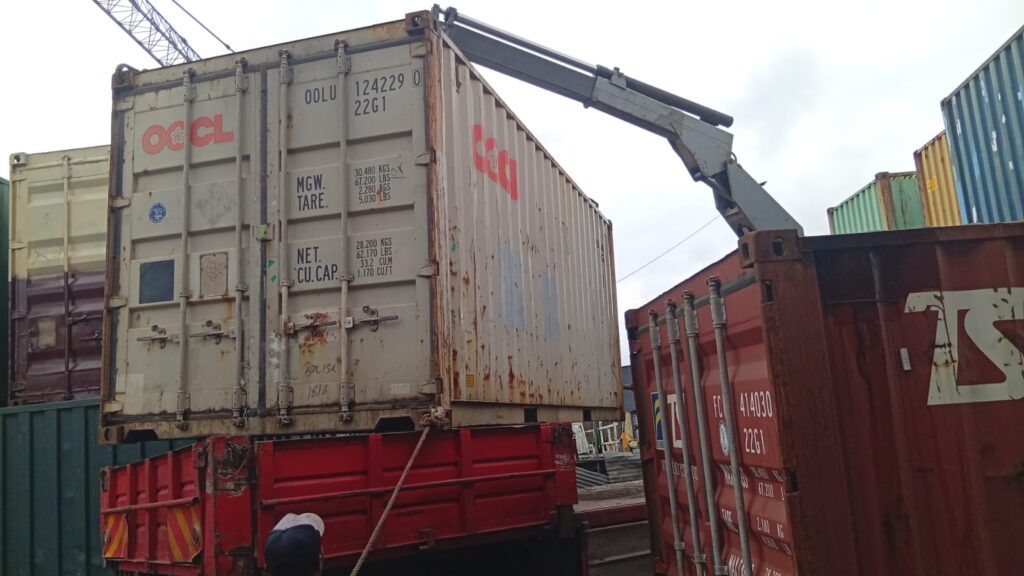
- Crane and Offloading Logistics: Ensure you arrange for a mobile crane or a specialized side-lifter truck to handle the offloading. Your destination site must have clear overhead access, completely free from low-hanging power lines or branches that could obstruct the crane’s boom arm during placement.
Why Platinum Containers?
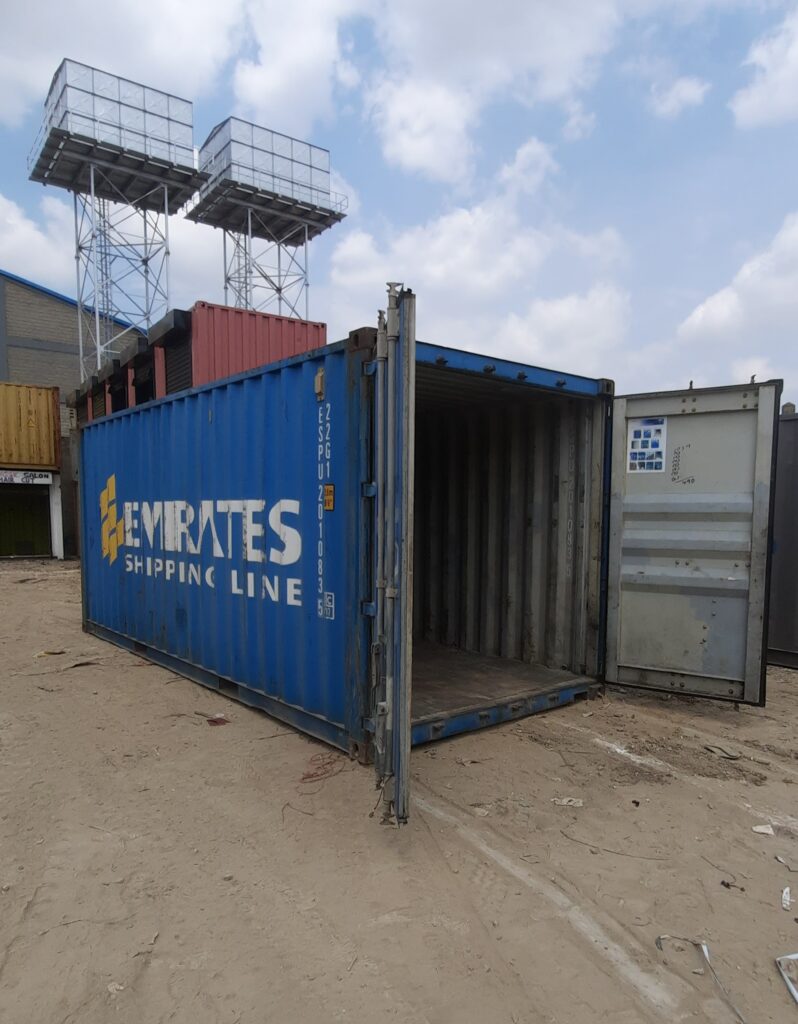
The Platinum Standard: When you partner with Platinum Containers, we remove the guesswork from your purchase. From initial yard selection and meticulous structural testing to smooth legal paperwork transitions, our team ensures your transaction is entirely secure, transparent, and built to last.