
Pros & Cons of Shipping Container Fabrication vs. Prefab Buildings
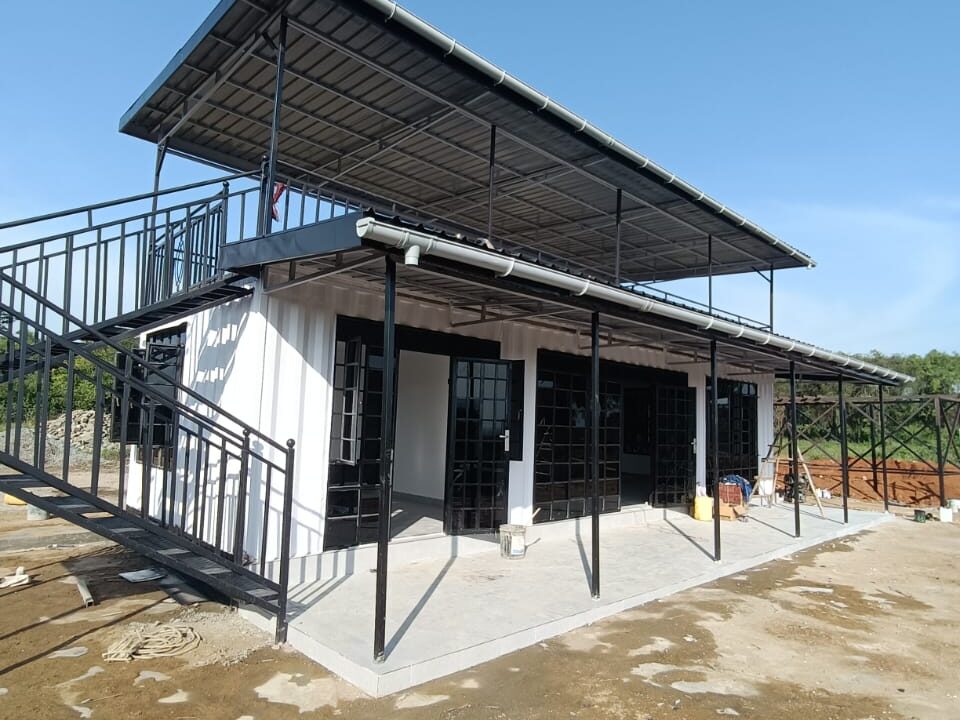
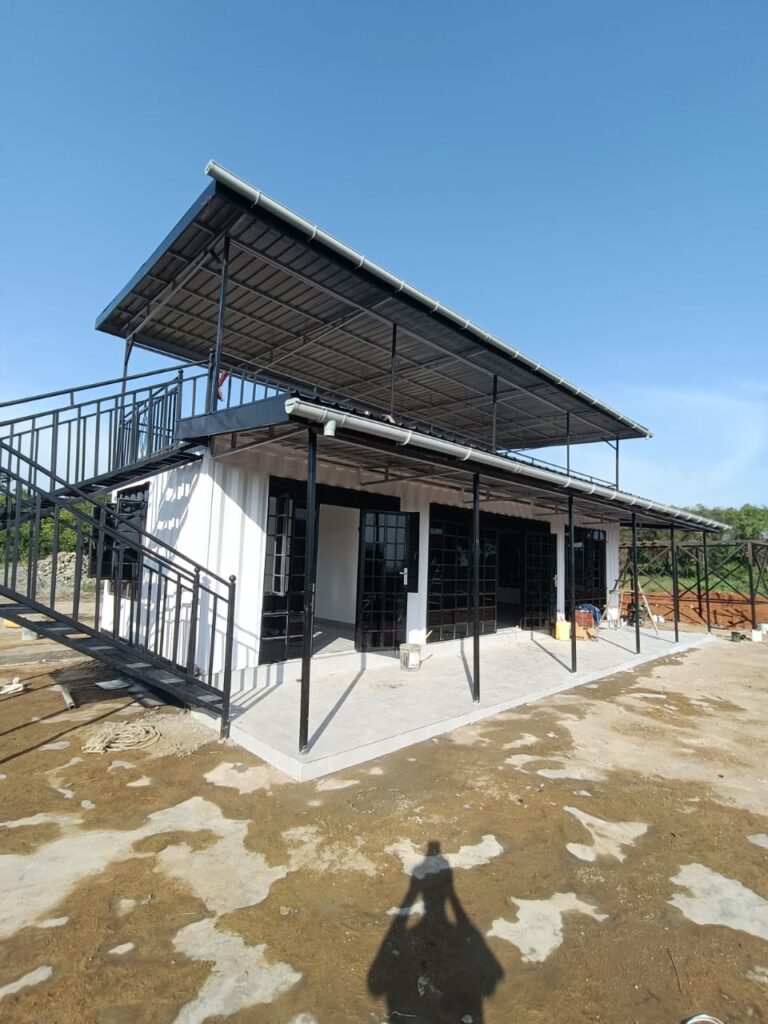
Shipping container fabrication and prefab structures have become a common alternative housing solution in Kenya today. A common question asked by customers is the comparison between fabricated shipping container house and prefab buildings. When planning a modular structure, two popular options often come up: shipping container fabrication and prefabricated (prefab) buildings. While both offer fast, flexible, and cost-effective building solutions, they cater to slightly different needs. In this post, we’ll break down the pros and cons of each to help you decide which is right for your project.
Pros of Shipping Container Fabrication compared to Prefabs
- Structural Strength: Shipping Containers are designed to carry tons of cargo. For this reason, containers are designed in a way that makes them durable and weather-resistant. As a result, all accommodation units that are designed from shipping containers are long lasting.
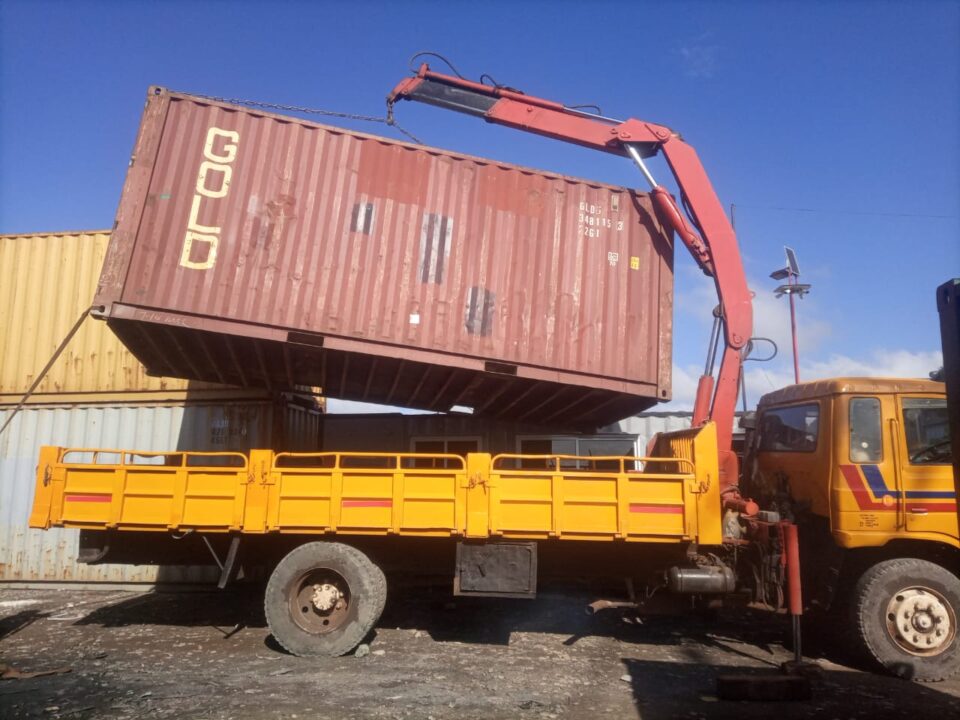
- Portability: Shipping Containers are easy to transport by crane mounted trucks for offloading. Containers can also be transported using trucks, train, or ship. The portability of shipping containers makes it possible to shift fabricated shipping container houses from one position to another.
- Time for Modification: The process of cutting, insulating, and modifying a shipping container to products such as shops/stalls, offices, homes, cafes, or storage units takes a short period of time which makes it an attractive option.
- Stacking of Several Units: Containers are designed in a way that they can be stacked on top of each other. This makes it possible to stack containers to multi-levels making the building process easier and also offering an opportunity to occupy the space available in the most effective manner.
Cons of Shipping Container Fabrication compared to Prefabs
- Size Constraints: One of the main disadvantages of shipping container houses is the space limitation within the container. All standard shipping containers are 8 feet wide, which can limit interior space unless combined. Alternatively, the containers can be modified by extension on the width to 10 feet or 12 feet.
- Insulation & Ventilation Needs: Shipping containers are made of steel which conducts heat and cold. This means that the shipping containers have to be well insulated as well as setting up a roof in order to prevent direct sunlight.
- Modification Costs: Another factor that affects the uptake of shipping container houses among other products is the cost of modifying them to desired product. For instance, cutting and welding steel requires skilled labor and can add to costs.
Conclusion
To conclude, shipping container fabrication offers a great alternative for accommodation where 20ft and 40ft shipping containers can be converted to a wide range of products including shops/stalls, offices, houses, ablution blocks, classrooms and storage. A major advantage with shipping container structures compared to prefabs and other affordable housing options is the fact that they are quite durable as they are made from heavy gauge steel and are portable hence can be shifted from one location to another. Are you looking for a shipping container fabricator in Kenya? Platinum Shipping Containers is one of the leading companies offering shipping container fabrication services.